GDPR access control and who can access personal data and why it matters
One of the most overlooked questions in GDPR is also one of the simplest: who actually has access to personal data? In many organizations, the answer is unclear. Access is granted when needed, rarely reviewed, and almost never removed in a structured way. Over time, more and more people gain access to data — often without a clear reason.
And this is where compliance starts to break down.
Learn how access control connects with GDPR implementation in practice: How to implement GDPR in a small business – step-by-step guide
What access control means under GDPR
GDPR does not explicitly talk about “authorizations” in the way some local practices do.
Instead, it requires organizations to ensure that personal data is protected against unauthorized access and processed only by those who need it.
In practice, this means controlling:
- who can access data
- what data they can see
- why they need access
This is not just a technical issue. It is a compliance requirement.
The real problem: access grows over time
Access rarely becomes a problem overnight. It grows slowly. An employee receives access to a system “just for a moment”. A temporary permission is never removed. A role changes, but access remains the same. Months later, the organization no longer knows who can access what.
And this creates real risk.
Why access control is difficult in practice
The challenge is not understanding the concept. It is managing it over time. Data is spread across multiple systems, teams and tools. Each system has its own permissions, and responsibilities are often unclear. Without a structured approach, access control becomes inconsistent and difficult to track.
This is where organizations lose visibility.
Access is not a one-time decision
A common mistake is treating access as something that is granted once.
In reality, access should be:
- assigned based on role
- regularly reviewed
- removed when no longer needed
This aligns with the GDPR principle of data minimization — giving access only where it is necessary.
Without this approach, access quickly becomes excessive.
What proper access management looks like
Organizations that manage access effectively do not rely on individual decisions. Instead, they define clear roles and assign permissions based on those roles. Access is linked to responsibilities, not to individuals. When roles change, access changes as well.
This makes the system predictable and easier to control.
The most common mistake: no visibility
In many organizations, there is no single place where access is tracked. Managers do not know who has access to what. There is no clear overview, and no way to verify whether permissions are still justified. This becomes a serious issue during audits.
Because the key question is simple: “Who has access to personal data?”
And the organization must be able to answer it.
Why spreadsheets are not enough
Some organizations try to track access manually. At first, this seems manageable. But as systems grow and users increase, maintaining an accurate overview becomes difficult. Permissions change frequently, and manual tracking quickly becomes outdated.
This leads to inconsistencies and errors.
How to manage access effectively
A structured approach allows organizations to regain control. Access is defined based on roles, monitored over time and adjusted when needed. Responsibilities are clear, and changes are documented.
This turns access control into a manageable process rather than a constant risk.
Access control as part of GDPR operations
Access management does not exist in isolation. It is closely connected with other GDPR processes, such as data retention, processing records and data subject requests. Without understanding where data is stored and how it is processed, it is impossible to manage access effectively. Access control reflects the overall maturity of GDPR compliance.
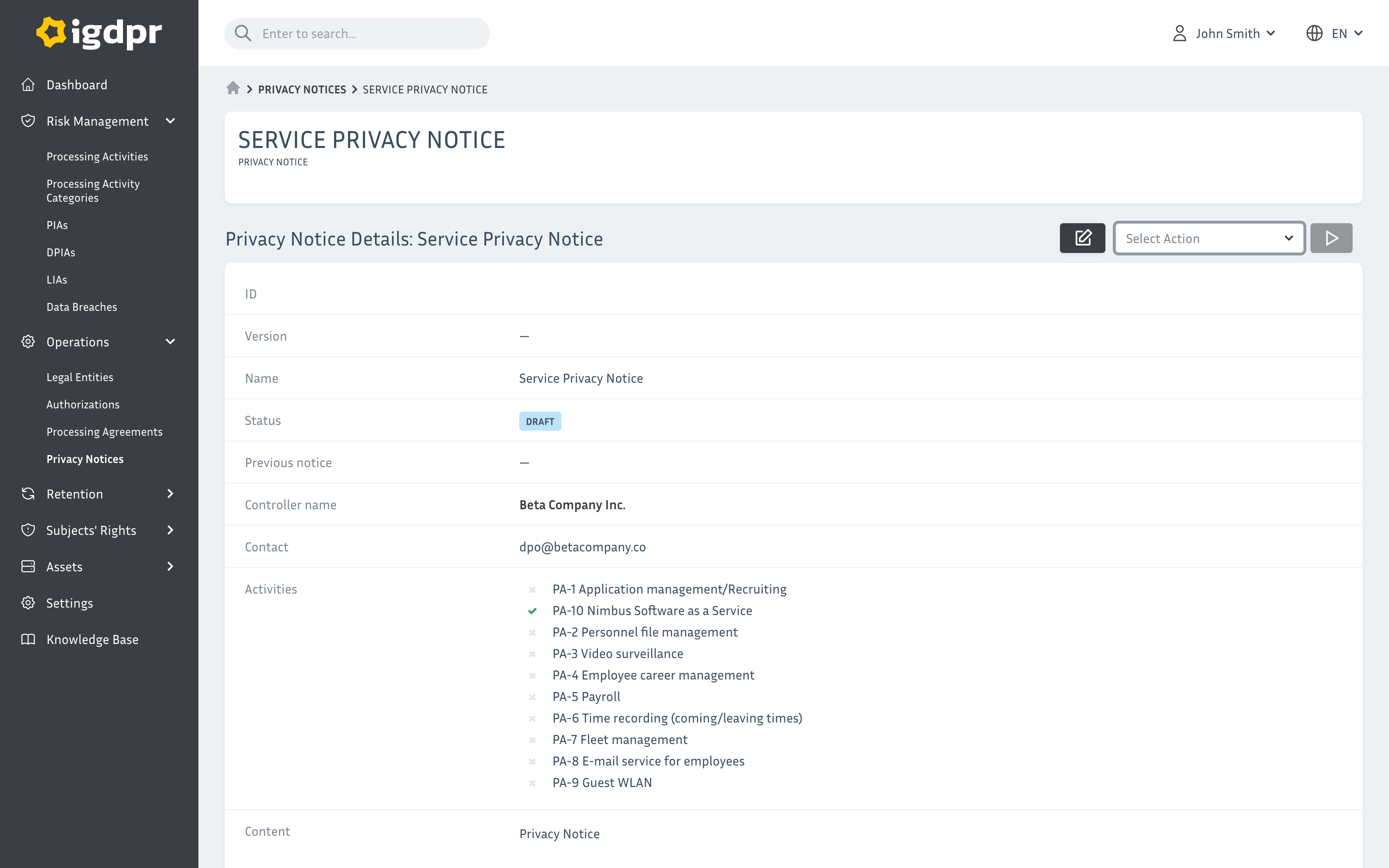
See how to manage access, permissions and GDPR responsibilities in one system
Access control and GDPR audits
During audits, access control is one of the key areas examined. Authorities want to verify whether access is limited, justified and properly managed. Organizations that cannot demonstrate this often face compliance issues.
Because access is one of the easiest things to verify — and one of the easiest to get wrong.
Summary
Access to personal data is not just a technical setting. It is a fundamental element of GDPR compliance. Organizations that do not control access lose visibility and increase risk. Those that manage it as a process gain clarity and control. The difference lies in whether access is treated as a one-time decision or as an ongoing responsibility.